Returning Home to Sierra Leone A Comprehensive Guide for the Diaspora
- The Salone Standard
- May 22
- 30 min read


Freetown, Sierra Leone's capital, sits where lush green hills meet the Atlantic. For many in the diaspora, returning home is both a deeply personal and practical journey.
Who This Guide Is For
Whether you were born in Sierra Leone and moved abroad for school or work, or you are a second-generation Sierra Leonean rediscovering your roots, returning home involves more than booking a flight. You will need to understand legal status, property rights, taxes, healthcare, and business systems that have changed significantly in recent years. This guide breaks all of that down in plain language.
Your Citizenship and Legal Status
Sierra Leone recognizes dual citizenship under the Citizenship (Amendment) Act of 2006. This means you can hold a Sierra Leonean passport alongside a British, American, Canadian, or other passport without losing your Sierra Leonean citizenship. If you were born in Sierra Leone, your citizenship remains intact regardless of how long you have lived abroad.
There is one important restriction to know: dual citizens are currently not eligible to run for Parliament, the Presidency, or senior ministerial positions under Section 76(1) of the 1991 Constitution. You can vote in national elections, but you must be physically present in Sierra Leone to register and cast your ballot. There is no out-of-country voting system yet, though legislative discussions on the topic are ongoing.
For members of the African diaspora who are not Sierra Leonean by birth, a heritage citizenship pathway exists through the "Going for Gold" initiative, which allows individuals of West African descent to apply for citizenship using DNA ancestry verification.
Government Positions: What Dual Citizens Can and Cannot Hold
This is one of the most frequently asked questions from the diaspora, and the answer has shifted in recent years. The rules depend on which office you are talking about.
Positions You Are Eligible For
Member of Parliament (MP). The constitutional bar on dual citizens sitting in Parliament has been the subject of active reform. A 2021 Supreme Court ruling and subsequent amendment work by President Bio's administration have moved toward allowing Sierra Leoneans by birth who hold dual citizenship to contest and hold parliamentary seats. A proposed requirement is that candidates must have been continuously resident in Sierra Leone for at least nine months before nomination.
Cabinet Minister. Ministerial eligibility is generally tied to parliamentary eligibility. As restrictions on dual-citizen MPs have relaxed, appointment as a cabinet minister has become increasingly accessible to dual citizens who are Sierra Leonean by birth.
Local government and public service roles. District councils, city councils, and a wide range of public sector appointments do not carry the same constitutional restrictions as senior national offices. These positions are generally open to returning citizens, including dual nationals.
Positions You Are Not Eligible For
President. The Constitution requires the President to be a citizen of Sierra Leone who holds no other citizenship. Dual nationals are not eligible for the presidency.
Vice President. The eligibility requirements mirror those of the President. Dual citizens are barred from this office.
Speaker of Parliament. Proposed legislation introduced in 2024 specifically excludes dual citizens from holding the speakership, on the basis of undivided allegiance.
One Important Condition
Where eligibility exists, it applies to Sierra Leoneans by birth. If you acquired Sierra Leonean citizenship through naturalization rather than by birth, the restrictions are broader. The reform efforts have focused specifically on people born with a connection to the country who later acquired a second nationality through living and working abroad.
Because constitutional amendments are still being finalized, always confirm the current legal position with a qualified Sierra Leonean lawyer before taking any steps toward running for public office.
Understanding the Tax System
Once you are back and spending 183 or more days a year in Sierra Leone, you become a tax resident. That means you are taxed on your worldwide income, not just what you earn locally. If you split your time between Sierra Leone and another country, you are taxed only on income from Sierra Leonean sources.
Personal income tax follows a progressive rate, with a top rate of 30%. The Finance Act 2024/2025 sets a tax-free threshold at NLe 1,200 per month for low-income earners.
One of the first things you should do when you return is register for a Taxpayer Identification Number (TIN) from the National Revenue Authority (NRA). You will need it to clear goods through customs, register a business, or open a local bank account.
Land and Property: Know the System
Sierra Leone has two different land systems, and the rules depend entirely on where you want to buy or build.
Western Area (Freetown and surroundings)
This area operates under a freehold system, meaning land can be bought and sold outright. Sierra Leonean citizens, including dual nationals, can own freehold land here. This is the most straightforward area for diaspora property buyers.
The Provinces (rest of the country)
Land here is held under a customary system, managed by tribal authorities. Citizens can claim ancestral land, but foreigners (including foreign-owned companies) can only lease land, for up to 50 years, renewable for 21 more. The Customary Land Rights Act 2022 added community veto rights over large land deals.
The National Land Commission Act 2022 created a new body to manage land titles and digitize records, which should reduce the risk of fraud and double-titling that has historically affected buyers. Always verify titles through official channels before any transaction.
Bringing Your Belongings Home
When you return, you are entitled to bring personal and household goods duty-free, provided you have owned and used those items for at least six months before arriving. This covers furniture, clothing, bedding, kitchen appliances, and similar household effects.
A few things to keep in mind:
Vehicles are not exempt. Standard import duties, a 15% Goods and Services Tax (GST), and excise charges apply to cars based on engine size and age. Budget for this before shipping a vehicle.
Declare cash over $10,000. Bringing more than $10,000 in foreign currency without declaration is a customs violation.
Restricted items. Firearms and certain medications require permits from the relevant ministry. Do not assume what was legal abroad is automatically allowed at the border.
Proof of residence abroad. Keep expired work permits, utility bills, or residence cards. You will need these to claim your returning-resident duty exemption.
Cost of Living in Sierra Leone
Sierra Leone offers one of the most affordable lifestyles in West Africa, though Freetown, as the capital, costs noticeably more than rural areas. Whether you are moving as a single professional, a couple, or a family, understanding what to budget for will help you settle in comfortably.
Single Person Monthly Budget
A single person living a modest but comfortable lifestyle in Freetown can expect to spend between $400 and $800 per month. This covers rent, food, transport, utilities, and basic personal needs. Expats or those who prefer international conveniences may spend upward of $1,300 per month.
Family Monthly Budget
A family of four in Freetown typically needs between $1,200 and $2,800 per month for a standard lifestyle. Families with school-age children, private school fees, and a vehicle should plan for the higher end of this range. Budget-conscious families may manage on $1,150 per month with careful planning.
🏠 Rent
1-bedroom (city center): $300–$600/month
1-bedroom (suburbs): $150–$300/month
3-bedroom (city center): $600–$2,000+/month
3-bedroom (suburbs): $300–$600/month
💡 Utilities
Electricity, water, garbage: $60–$143/month
Broadband internet (60 Mbps+): $50–$99/month
Mobile data (10GB+): $10–$18/month
🛒 Groceries
Monthly groceries (1 person): $120–$250
Rice (1 lb): ~$0.59
Eggs (12): ~$1.81
Chicken (1 lb): ~$4.54
Bread (loaf): ~$0.60
Dining Out
Eating at local restaurants and street food spots is very affordable. A simple meal at a local eatery costs around $3, while a three-course dinner for two at a mid-range restaurant runs $28–$40. Street food is the most budget-friendly option, with snacks and small meals available for under $1.
Clothing
Clothing costs vary depending on where you shop. Local markets such as Big Markit on Wallace Johnson Street offer affordable traditional and everyday clothing. Imported Western brands are available at boutiques along Wilkinson Road but cost significantly more. A basic outfit from a local market might cost $5–$20, while imported items can range from $30–$100+. Traditional Sierra Leonean fabrics like gara and kontri cloth are beautiful and relatively inexpensive.
Daily Essentials
Personal care products, household supplies, and medications are available in local pharmacies and supermarkets across Freetown. Prices for imported goods are higher than locally produced alternatives. A basic basket of daily essentials for one person runs approximately $30–$60 per month.
Activities and Entertainment
Freetown offers a growing entertainment scene. Beach trips, outdoor markets, cultural events, and local restaurants make up the bulk of leisure activities. Entrance to attractions like the Tacugama Chimpanzee Sanctuary typically costs $10–$20 per adult. Movie screenings, live music events, and nightlife spots are available primarily in Aberdeen and Lumley.

Food Culture and Local Cuisine
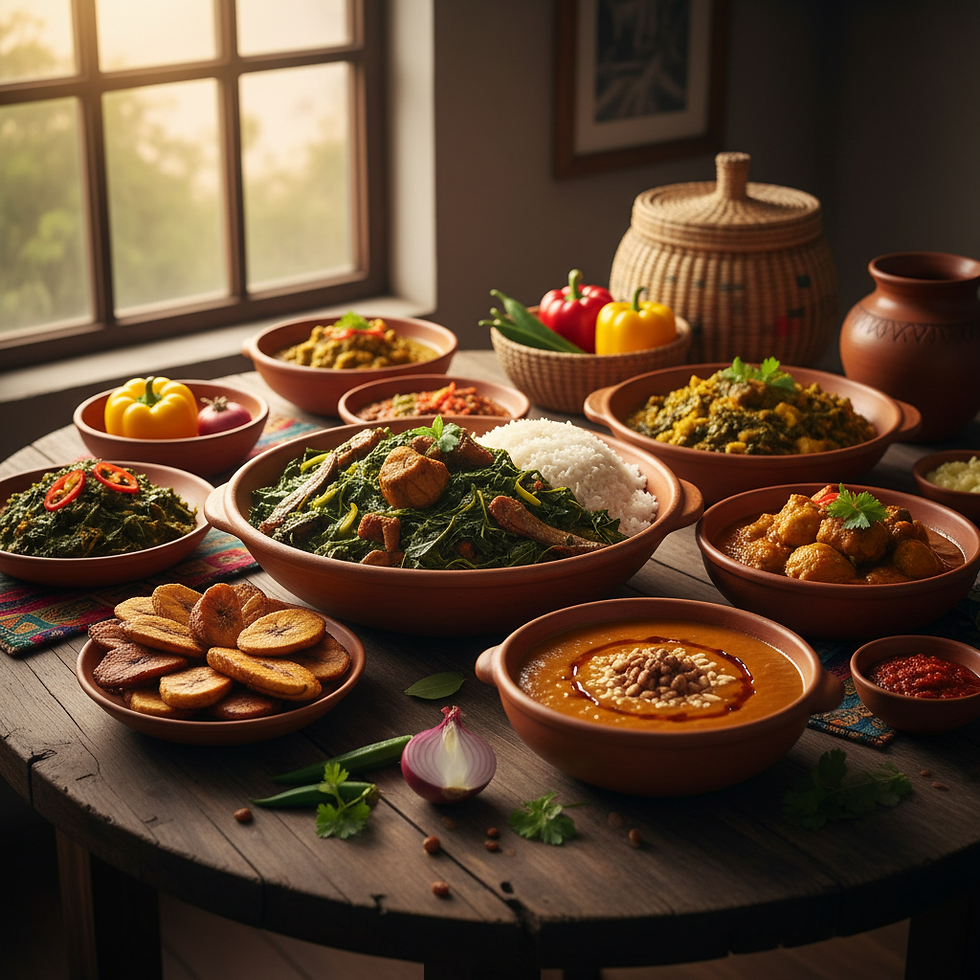
Food in Sierra Leone is deeply tied to community and identity. Rice is the foundation of virtually every meal. As a common local saying goes, "If I haven't had my rice, I haven't eaten today." Meals are rich, flavorful, and built around stews, leafy vegetables, and protein sources like fish, goat, and beef.
Staple Foods and Traditional Dishes
Cassava Leaf Stew (Plasas): The national dish. Finely pounded cassava leaves slow-cooked with palm oil, groundnuts, smoked fish, and meat, served over white rice.
Groundnut Stew: A rich, creamy peanut butter stew with tomatoes and spices, served with rice.
Potato Leaf Stew (Palaver Sauce): Made from sweet potato leaves, often cooked with fish and palm oil.
Fufu: Pounded cassava served alongside soups and stews.
Crain-Crain: A thick, hearty stew made from jute leaves and palm oil, paired with fish.
Jollof Rice: A West African classic, cooked with tomatoes, onions, and spices.
Akara: Savory fried bean fritters, a popular street food.
Kanyah: A sweet, dense snack made from groundnuts, sugar, and cassava flour.
Fried Plantains: A beloved side dish and street food found everywhere.
Top Restaurants in Freetown
Cassava Republic: Specializes in authentic traditional dishes including cassava leaf stew and jollof rice.
The Lighthouse Restaurant: A premier spot for fresh coastal seafood including lobster and prawns.
Francesca's Kitchen: Highly rated for home-cooked Sierra Leonean flavors and Afro-fusion options.
Roof Garden Bar and Restaurant: Known for Acheke and local stews in a relaxed communal setting.
Paddy's Beach Bar: A staple on Lumley Beach for grilled seafood and fried snacks with an ocean view.
Education: Schools for Children
Sierra Leone offers a range of schooling options from free government schools to world-class international institutions. Families moving to Freetown will find good choices at every budget level.

Public Schools (Free Government Education)
Since 2018, Sierra Leone's Free Quality School Education (FQSE) policy has abolished tuition and exam fees from pre-primary through senior secondary level. Core textbooks and school feeding programs are provided in many communities. Parents are responsible for uniforms, which cost approximately $18–$20 per set. Public schools are the most accessible option and have seen significant investment from the government in recent years.
Private and International Schools
Top International Schools
Choithram International School (Ranked #1 in Sierra Leone, Cambridge curriculum)
American International School of Freetown (AISF) – US curriculum (IB prep)
British International School and Montessori Education – Cambridge IGCSE
Providence International School – More affordable, accessible fees
Approximate Annual Fees (AISF)
Pre-Kindergarten: $6,950/year
Grades 1–4: $12,875/year
Grades 5–8: $13,950/year
High School (9–12): $15,975/year
Providence International (Primary): ~$260/year
Mid-tier private schools: $1,000–$5,000/year
Activities for Children
Children in Freetown enjoy a mix of outdoor and organized activities. Beach outings, community sports, and cultural events are common weekend activities. The following are popular options for families:
Beach visits at Lumley, Aberdeen, and River Number Two
Swimming lessons and youth sports clubs (football is especially popular)
Visits to the Tacugama Chimpanzee Sanctuary for an educational wildlife experience
Art and craft workshops at community centers
Church and mosque youth programs, which are vibrant community social spaces
After-school tutoring programs widely available in Freetown
Healthcare: What to Expect
Sierra Leone's public healthcare system runs on three levels: community health units for basic care, district hospitals for secondary care, and national referral hospitals for complex cases. In practice, most returning diaspora members use private facilities for routine and specialist care. This section covers both, including costs, insurance, dental, women's health, mental health, pharmacies, and emergency evacuation.
Public Hospitals in Freetown
Public care is available and free for certain groups under the Free Healthcare Initiative (FHCI), which covers pregnant women, breastfeeding mothers, and children under five. For everyone else, a sliding scale of fees applies. Expect longer wait times, occasional medicine stock-outs, and variable equipment availability.
Connaught Hospital (Wallace Johnson Street) - the main adult referral and teaching hospital. Handles emergency, surgical, and specialist cases across most disciplines.
Princess Christian Maternity Hospital (PCMH) (Fourah Bay Road) - the national referral centre for maternal health, delivering over 8,000 babies annually. Offers 24/7 emergency obstetric care, prenatal and postnatal clinics, neonatal care, family planning, and ultrasound.
Ola During Children's Hospital - the primary pediatric referral centre for children requiring specialist care.
Note: Government fees at Connaught Hospital were revised upward in 2024. As a reference point, an X-ray now costs NLe 180 and an appendectomy NLe 1,275. Public facilities remain significantly cheaper than private options, but the experience and consistency can differ considerably.
Private Hospitals: The Main Options
Most returning diaspora members and expatriates use private facilities. Below is a breakdown of the key hospitals, their specialties, and what they cost.
Choithram Memorial Hospital (CMH) Hill Station, Freetown | +232 76 980 000 | cmhfreetown.com
CMH is the most comprehensive private hospital in Sierra Leone, with departments covering cardiology, neurology, nephrology, gastroenterology, orthopedics, ophthalmology, urology, dermatology, dentistry, and physiotherapy. It has a 64-slice CT scanner, MRI, digital X-ray, mammography, endoscopy, ICU, neonatal ICU, dialysis unit, and a 24/7 pharmacy.
Published screening package prices:
Package | What's Included | Cost (USD) |
Basic Health Package | Full blood count, blood sugar, lipid profile, blood pressure | $50 |
Advanced Health Package | Basic + liver function, kidney function, thyroid profile | $100 |
Premium Health Package | Advanced + ECG, chest X-ray, abdominal ultrasound | $150 |
Basic Cardiac Check-up | Blood sugar, HbA1c, lipid and renal profiles, TSH, urine test, ECG, X-ray, cardiology consult | NLe 3,000 |
CT Scan | 64-slice imaging | ~$575 |
Colonoscopy | Gastrointestinal diagnostic procedure | ~$250 |
Gastroscopy | Upper GI endoscopy | ~$235 |
Life Care Hospital 15 Wilkinson Road, Freetown | +232 80 220 220 | lifecare-hospital.com
Life Care is a multi-specialty private hospital with departments covering cardiology, pediatrics, internal medicine, obstetrics and gynecology, orthopedics, neurosurgery, ophthalmology, rheumatology, and dentistry. It has MRI, CT scan, digital X-ray, ultrasound, ECHO, and Doppler imaging, alongside a dialysis unit, ICU, neonatal ICU, 24/7 pharmacy, and ambulance services. Life Care explicitly accepts both local and international insurance providers. Contact the hospital directly to confirm direct-billing arrangements before your visit.
Aspen Medical Sierra Leone (AMSL) 11A King Harman Road, Brookfields, Freetown | ami.health
AMSL operates on a membership-based model designed primarily for expatriates and international visitors. It offers international-standard GP consultations, trauma care, diagnostics, and full integration with aero-medical evacuation networks. Membership tiers (Blue, Silver, Gold) include varying levels of free GP visits, pharmacy discounts, and pathology benefits. A 30-day short-term membership plan is available for those visiting or newly arrived. Contact them directly for current pricing: esey@aspenmedicalintl.com
Freetown International Hospital (FIH) 28b Lumley Beach Road, Freetown | +232 33 400 400 | fihosp.com
FIH provides 24/7 emergency and inpatient care across general medicine, pediatrics, obstetrics and gynecology, and orthopedics. It is popular among international residents and diaspora returnees, with a team of both local and international medical staff. Pricing is fee-for-service; contact the hospital directly for consultation rates.
Shifa Hospital Freetown | shifahospital.net
Shifa operates on a subscription model, which can significantly reduce out-of-pocket costs for routine care. Published monthly plans run from $16 (Basic) to $39 (Super Prestige), covering different levels of access and included services. Specialist procedures are billed separately, with costs for cardiac procedures ranging from $150 to $200.
International Health Insurance: What's Accepted
Private health insurance covers less than 1% of Sierra Leone's population, so the system is not built around it the way hospitals in Europe or North America are. Most private hospitals still require upfront cash or card payment, with reimbursement claimed afterward through your insurer. Direct billing (where the hospital bills your insurer directly) exists but is not guaranteed. Always confirm before you arrive.
International insurers with established networks or reimbursement history in Sierra Leone include:
Cigna Global - widely recognized at CMH, Life Care, and FIH
Bupa Global - accepted at major private facilities with prior authorization
Allianz Care - commonly used by NGO and embassy staff in Freetown
Aetna International - accepted at select private hospitals; confirm direct billing in advance
Aspen Medical's own membership - integrates directly with their clinical and evacuation services
Regional West African insurers (from Nigeria or Ghana) - often have better local billing integration with Freetown's private hospitals
ACTIVA Sierra Leone - a local insurer offering regional and international health and travel plans, including repatriation coverage
Before you relocate, call your insurer and ask three specific questions: Is Sierra Leone in my network? Can I access direct billing at my hospital of choice? Does my policy include medical evacuation with a minimum $250,000 coverage limit?
Medical Evacuation: A Necessity, Not a Luxury
Even with good private hospitals in Freetown, certain complex conditions (advanced cardiac surgery, specialized oncology, severe trauma) may still require treatment abroad. The nearest centers commonly used are in Accra (Ghana), with some cases going to South Africa or Europe. A medical air ambulance from West Africa is expensive. Experts recommend a policy with at least $250,000 in evacuation coverage and $100,000 in emergency medical expenses.
Providers that cover Sierra Leone for evacuation:
GeoBlue (Voyager) - strong option for US citizens, covers pre-existing conditions
IMG Patriot International - covers acute onset of pre-existing conditions with evacuation
Atlas International (WorldTrips) - budget-friendly with evacuation and 24/7 assistance
World Nomads - well suited for those traveling to rural or remote areas within Sierra Leone
Note: keep accessible funds (credit card or cash) on hand regardless of coverage. Many facilities require payment before treatment, even if your policy covers the cost in full.
Dental Care in Freetown
Dental care is available in Freetown, though options are limited outside the capital. The following clinics are among the most established:
Dental Clinic Freetown SL (Brookfields) - offers CT scanning, implants, braces, and orthodontics. +232 75 943 500
Sierra Dental Clinic (18 John Street) - cosmetic dentistry, veneers, crowns, and emergency same-day repairs. +232 76 232 232
Choithram Memorial Hospital Dental Department (Hill Station) - oral surgery, implants, full mouth reconstruction, and routine care, under the same internationally accredited facility
Life Care Hospital Dental Unit (Wilkinson Road) - panoramic X-ray, comprehensive dentistry. +232 80 220 220
PingKang Dental Clinic (Lumley Beach Road) - staffed by foreign dental specialists. +232 78 902 096
Emmanuel Dental Clinic - specializes in titanium implants and bone grafting
On costs: a standard registration and consultation at a private dental clinic runs approximately NLe 200. Most clinics do not publish full procedure price lists online since costs are confirmed after a clinical examination. Installment payment plans are commonly offered. International dental tourism packages (typically 7 days, including consultation, whitening, and deep cleaning) are available from around $900 for visitors combining a dental visit with a return trip home.
Women's Health: OBGYN and Specialist Services
Freetown has a reasonable concentration of obstetric and gynecological care, across both public referral centres and private clinics. The level of care varies significantly between facilities.
Public Options
Princess Christian Maternity Hospital (PCMH) - the national referral centre for maternal health. Covers antenatal and postnatal clinics, emergency obstetric care, neonatal care, family planning, and ultrasound. Free for qualifying patients under the FHCI.
Connaught Hospital OBGYN Clinic - handles referred and complex gynecological cases alongside its general and surgical departments.
Private Options
Choithram Memorial Hospital - manages high-risk pregnancies (multiple births, gestational diabetes), operative gynecological surgery (hysterectomy, myomectomy), and fertility treatments.
Life Care Hospital - 24/7 OBGYN services with fetal monitoring, menstrual disorder management, and pain-management options during childbirth. Also has a neonatal ICU.
Freetown International Hospital - dedicated OBGYN department staffed by local and international doctors.
Shuman Hospital (15/17 Pultney Street and 58 Bai Bureh Road, Kissy) - two branches providing 24/7 obstetrics and gynecology across the east and west of the city.
Specialized Women's Health Centres
The Woman's Place Medical Centre - dedicated to women's and children's health. Services include cervical cancer screening, histopathology, adolescent health, reproductive care, and yearly wellness checks. twpmedical.com
Marie Stopes Sierra Leone - focuses on reproductive health, family planning, safe abortion services, and maternal care. mariestopes.org.sl
MEPS Well Woman Clinic - specializes in breast health and cervical cancer screening and prevention.
Private OBGYN Practitioners
Dr. Yvonne Harding - Ahmed Drive, Freetown
Dr. C. T. H. Bell - 11A Kingharman Road
Dr. Bernard Frazer - 60 Wellington Street
Dr. I. D. Thorlie - based at PCMH
Mental Health Services
Mental health services in Sierra Leone are limited but growing. The primary public facility is the Sierra Leone Psychiatric Teaching Hospital (SLPTH) in Kissy, Freetown. It is the country's only dedicated mental health hospital, and as of 2024 includes a 30-bed drug and rehabilitation unit and the country's first psychiatry residency program. Specialized units cover child and adolescent mental health, occupational therapy, and psychiatric emergency care.
For private and community-based support:
AMI Sierra Leone (Brookfields) - offers outpatient specialist consultations and international medical screenings
Mental Health Coalition Sierra Leone (34d Wilkinson Road) - provides advocacy, support groups, and coordination between government and civil society. mhc-sl.org
More Action Care (MAC) (Wilberforce) - community-based mental health programs and awareness
Partners In Health (PIH) - a technical partner to the Ministry of Health, integrating mental health into primary care across multiple districts
National toll-free mental health helpline - launched in 2022, operating 24/7 for crisis support and local referrals
It is worth noting that Sierra Leone has approximately 3 to 10 qualified psychiatrists for a population of over 8 million. If you manage an ongoing mental health condition, continue treatment with your current provider remotely (via telehealth) where possible, and connect with local services as a supplement rather than a replacement until you have assessed what is available near you.
Pharmacies and Medication Access
Freetown has 41 of Sierra Leone's 58 registered pharmacies, making it by far the most reliable location for prescription and over-the-counter medication. Outside the capital, supplies can be inconsistent. If you manage a chronic condition, bring a minimum three-month supply of your medications when you arrive, and identify a reliable local pharmacy or hospital pharmacy early on.
Key pharmacies in Freetown:
Choithram Memorial Hospital Pharmacy - 24/7 access, stocks surgical supplies, IV fluids, and prescription drugs. FDA-regulated with computerized billing.
Life Care Hospital Pharmacy - specializes in hemodialysis supplies, pediatric medicines, and chronic condition medication (diabetes, hypertension).
Cotton Tree Pharmacy (175 Regent Road, Malama) - retail pharmacy with brand-name and generic drugs, free delivery in Freetown for orders above NLe 230. +232 99 220 000
City Pharmacy (20 Siaka Stevens Street) - one of the oldest established pharmacies in the city centre.
Health for All Medicals - six retail outlets across Freetown, with a wholesale division and associated diagnostic centres.
For medical supplies and equipment, JSS Medical Distributors (21 Naimbana Street) supplies hospital furniture, laboratory reagents, radiology equipment, and surgical consumables. The National Medical Supplies Agency (NMSA) manages procurement and distribution for all public health facilities nationwide.
Practical Tips Before You Arrive
Confirm your international insurance covers Sierra Leone and whether direct billing is available at your preferred hospital.
Get a policy with at least $250,000 in medical evacuation cover. Do not skip this.
Bring a minimum three-month supply of any prescription medication. Ask your doctor for a letter specifying your diagnosis and dosage to carry through customs.
Verify vaccinations before travel. The UK and US governments both recommend yellow fever, typhoid, hepatitis A and B, meningitis, and rabies vaccines for Sierra Leone. Malaria prophylaxis is also strongly advised; confirm the current recommended regimen with your GP.
Keep accessible funds (cash or an internationally accepted card) for upfront payments at hospitals and clinics, regardless of your insurance coverage.
Register with your GP or specialist abroad via a telehealth service before you leave, so you can continue consultations remotely while you settle in.
Best Places to Live in Sierra Leone
Choosing the right neighborhood makes a significant difference in your daily experience. Most expatriates and professional families settle in Freetown, which offers the best combination of services, schools, healthcare, and infrastructure.

Freetown Neighborhoods
Hill Station
Considered the top choice for families. Cooler mountain temperatures, spacious villas with gardens, and a quiet, secure environment. Many diplomatic residences and senior professionals live here.
Aberdeen
An upscale coastal neighborhood known for its safety, high-end restaurants, beach access, and strong expat community. Home to some of the best dining and social venues in the country.
Congo Town
Offers a suburban feel with modern housing and good road connectivity to the central business district. A practical, family-friendly choice at a more affordable price point.
Lumley
Popular for its beach access and lively social scene. Suitable for young professionals and adults, though it can be noisier at night and requires more awareness of petty crime after dark.
Bo (Southern Province)
The most liveable city outside Freetown. A major educational and commercial hub with a strong sense of community and a lower cost of living, averaging around $1,257 per month for a family.
Kenema (Eastern Province)
A viable option for those seeking a quieter, community-oriented lifestyle surrounded by natural beauty. Infrastructure and international services are more limited than in Freetown.
Best Areas to Raise Children
For families with children, Hill Station and Aberdeen in Freetown stand out as the safest and most comfortable areas. Both neighborhoods offer proximity to international schools, private healthcare at Choithram Memorial Hospital, and a strong community of other families. Household help is affordable and widely available, which eases the demands of family life significantly. Families with children under 12 consistently report high satisfaction living in these areas.
Culture and Religious Life
Sierra Leone is one of the most remarkable examples of religious harmony anywhere in the world. With approximately 78% of the population Muslim and 21% Christian, the country has built a culture of deep mutual respect that is genuinely lived out in everyday life, not just stated in policy.

Religious Tolerance
Interfaith marriages are common and widely accepted. It is normal for a single household to include both Muslim and Christian family members who celebrate each other's religious occasions. Children attending Catholic or Islamic schools routinely participate in the devotions of the host institution, regardless of their own faith. Major Islamic holidays (Eid al-Fitr, Eid al-Adha) and Christian holidays (Christmas, Easter) are all national public holidays celebrated across religious lines through food sharing and community gatherings.
The Inter-Religious Council of Sierra Leone (IRCSL), founded in 1997, is a powerful example of this unity. It played a central role in ending the 1991–2002 civil war through mediation and coordinated the national response to both the Ebola outbreak and the COVID-19 pandemic. Politically, it has also become tradition for the President and Vice President to represent different faiths.
Churches and Mosques
Both churches and mosques are found throughout Sierra Leone, often on the same street. Christians can comfortably pray in mosques when no church is nearby, and vice versa, without social stigma. Freetown has a rich density of both, from large cathedral-style churches to neighborhood mosques with active community programs. Youth programs at both churches and mosques serve as important social spaces for children and teenagers.
Cultural Identity
Sierra Leonean culture is warm, communal, and expressive. Music, dance, storytelling, and traditional attire are central to daily life. The country's traditional fabrics, particularly gara (tie-dye) and kontri cloth, are worn with pride at cultural events. Hospitality is a core value: guests are welcomed generously, and sharing meals is a sign of respect and connection.
Laws, Rules, and What to Know Before You Go
Sierra Leone has a defined legal framework. Understanding the laws and social norms will help you live respectfully and avoid serious problems. Some rules differ significantly from Western countries, and ignorance of the law is not accepted as a defense.
What Is Prohibited
Drugs and narcotics: Sierra Leone has some of the strictest drug laws in the world. As of December 2025, manufacturing, importing, exporting, supplying, or selling drugs carries a minimum 30-year prison sentence with no bail. Possession of even small quantities carries a minimum 5-year sentence. This applies to all drugs, including synthetic substances.
Same-sex relationships (male): Male same-sex sexual activity is illegal under the Offences Against the Person Act and carries a potential sentence of life imprisonment. Travelers and residents should be aware of this law and exercise caution.
Illegal mining: Artisanal mining is reserved for Sierra Leonean citizens only. Foreigners holding artisanal mining licenses, or engaging in illegal dredging, face serious criminal charges under the Mines and Minerals Act.
Exporting conflict minerals: Exporting diamonds or minerals through unofficial channels is a major criminal offense.
Unexplained wealth: The Anti-Corruption Commission can seize assets and property without a prior criminal conviction if wealth cannot be legally accounted for.
Weapons and explosives: Importing or possessing firearms or explosives without authorization is strictly prohibited.
Photographing government buildings: Taking photographs of government buildings, military installations, airports, and police stations without permission can lead to detention.
Social Norms and Conduct
Beyond the law, there are social expectations that matter in Sierra Leone. Respecting elders is not optional but expected. Public displays of affection are generally frowned upon. Dressing modestly, particularly when visiting religious sites, is important. Loud or confrontational behavior in public is considered disrespectful and may draw unwanted attention.
Things That Are Not Acceptable
Publicly disrespecting religious leaders or symbols of either faith
Photographing people without their permission, especially in rural areas
Ignoring local customs and dress codes at ceremonies or sacred spaces
Haggling aggressively or speaking down to local traders or workers
Attempting to bribe police officers (this can escalate a situation significantly)
Leaving children unsupervised in public spaces, especially near beaches or busy roads
Public intoxication in non-designated areas
Using offensive language toward any ethnic or religious group
Crime and Safety
Sierra Leone is generally a welcoming country, but like any developing nation with urban density and economic pressure, crime exists and requires awareness. Both the US and UK governments maintain a Level 2 travel advisory (Exercise Increased Caution) for Sierra Leone as of 2025.
Common Crimes
Petty theft: Pickpocketing, bag-snatching, and phone-grabbing are the most common incidents, particularly at Lumley Beach, Aberdeen, and on the Lungi airport ferry. Keep valuables secure and avoid displaying expensive items in public.
Scams: Financial, gold, and romance scams targeting foreigners are frequent. Unlicensed airport transport and advance-fee fraud are common tactics. Only use recommended transport and verify before making payments.
Assault and robbery: Violent crime accounts for a significant portion of reported incidents in Freetown, particularly at night in less-monitored areas.
Drug-related crime: The country is managing a national emergency related to "Kush," a synthetic drug. Avoid any areas known for drug activity, especially after dark.
Domestic violence: This remains a serious concern within communities and is something support organizations are actively working to address.
Staying Safe
Stay in well-lit, populated areas at night
Use trusted, pre-arranged transport rather than unlicensed taxis
Keep a copy of your passport and important documents separate from originals
Register with your embassy when staying long-term
Avoid isolated beach areas after dark
Build trusted local contacts who can guide you on safe areas and current conditions
Beauty, Salons, Shopping, and Style
Freetown has a growing and vibrant beauty and retail scene. Whether you need a full hair transformation, a relaxing spa day, or a shopping trip for fashion and essentials, the city has options to match.

Hair and Beauty Salons
Glow Heaven Beauty Salon and Spa (Benghazi Mambo, Freetown): A high-end facility offering hair styling, nail care, lashes, brows, and tattoos with an international team.
The Beauty Bar (25 Wilkinson Road): Premium beauty services, nail care, and men's grooming in a luxury environment.
NaLi Spa (Wilkinson Road area): A well-established luxury spa specializing in massages, nail therapy, and professional hair services for men and women.
Lily and Clover: A boutique salon known for professional hair transformations and a personalized, attentive experience.
Aisha's Salon: A contemporary salon featuring US-imported products, including weaving and hair care services.
Blessing Beauty Salon (Lumley Mall): Specializes in interlocking and dreadlocks.
Malls, Boutiques, and Shopping
Freetown Mall (169 Wilkinson Road): A central hub for everyday essentials, local snacks, and international goods.
Lumley Mall: Houses various retail outlets and beauty services.
City Plaza: A modern shopping destination focused on style and comfort.
Madam Wokie: A high-end fashion brand known for African-inspired luxury garments and custom caftans by designer Maryann Kaikai.
Blush Freetown (Wilkinson Road): Specializes in authentic beauty products and unique gifts.
Big Markit (Wallace Johnson Street): The historic center for traditional arts, crafts, handmade baskets, and affordable everyday goods.
Malama Thomas Street: The primary destination for traditional Sierra Leonean textiles including gara and kontri cloth.
Aurora Foundation Shop (186 Wilkinson Road): High-quality local crafts, jewelry, and clothing celebrating Sierra Leonean heritage.
Places to Visit: Tourism and Natural Beauty
Sierra Leone is one of West Africa's most underrated travel destinations. With pristine beaches, rare wildlife sanctuaries, dramatic rainforests, and powerful historical sites, it offers experiences that few places on earth can match.
Beaches

Tokeh Beach: Named the #1 eco-destination in West Africa for 2026 by Travel+Leisure Africa. Features 2.5km of white sand and community-led conservation.
River Number Two Beach: Beloved for its white sand, palm groves, and calm water, managed by a local community association.
Bureh Beach: The primary surfing hub, home to surf camps and instruction for all levels.
John Obey Beach: Remote and peaceful with eco-lodges. Known for sea turtle nesting between May and October.
Lumley Beach (Freetown): The most accessible urban beach, lined with restaurants and a great spot for evening walks and fresh seafood.
Wildlife and Nature

Tacugama Chimpanzee Sanctuary: Located in the Western Area Peninsula Forest, this sanctuary rehabilitates orphaned chimpanzees and offers eco-lodges. An excellent educational visit for families with children.
Tiwai Island Wildlife Sanctuary: A UNESCO World Heritage site candidate on the Moa River, home to one of the world's highest concentrations of primates and the rare pygmy hippopotamus.
Gola Rainforest National Park: A massive trans-boundary rainforest shared with Liberia, hosting over 300 bird species and forest elephants.
Outamba-Kilimi National Park: Savannah and jungle habitats ideal for spotting hippos, elephants, and primates.
Mount Bintumani: Sierra Leone's highest peak at 1,945 meters, perfect for multi-day trekking through stunning mountain scenery.
Historical and Cultural Sites

Bunce Island: A 17th-century British slave castle and one of the most significant sites in the history of the transatlantic slave trade. A deeply moving and important historical visit.
The Cotton Tree (Freetown): A 500-year-old landmark in the heart of the city, symbolizing freedom for the first freed slaves who settled in Sierra Leone.
Banana Islands: Three small islands with colonial ruins, pristine snorkeling, and the sobering historical "slave hole" site.
Old Fourah Bay College: Built in 1848, the first Western-style university in Sub-Saharan Africa, now a national monument and cultural institution.
National Railway Museum (Cline Town, Freetown): Houses a remarkable collection of historic narrow-gauge locomotives from Sierra Leone's railway era.
The government has declared 2026 the "Year of Culture and Creativity," making it one of the best times to explore Sierra Leone's arts, heritage, and music scene. Festivals, exhibitions, and cultural events are planned throughout the year across the country.
Jobs and Working Life in Sierra Leone
Whether you are coming home to look for work, continue a career remotely, or launch something of your own, understanding the employment landscape will save you time and frustration. Sierra Leone's economy is growing; the World Bank projects 4.4% GDP growth in 2025, but the job market has real structural gaps that returning diaspora members should factor into their plans.
Where the Jobs Are
The formal job market is concentrated in Freetown, with limited opportunities in provincial towns outside of agriculture and public administration. The sectors most likely to have roles that match diaspora skill sets are:
Mining and natural resources. The highest-paying formal sector in the country. Iron ore, diamonds, rutile, and bauxite operations employ engineers, logistics professionals, environmental specialists, and administrative staff at salaries well above the national average.
Banking and telecoms. Mid-level professionals in these sectors earn between NLe 3,500 and NLe 7,000 per month. Roles in compliance, risk, digital banking, and customer experience are in demand as institutions modernize.
International NGOs and UN agencies. These organizations pay the highest premiums on the market. Senior roles can exceed NLe 20,000 per month. They also tend to have formal HR structures, contracts, and benefits that are closer to what returning diaspora are used to abroad.
Healthcare and education. Public sector roles are available but pay is low, teachers average around NLe 1,500 per month. Private healthcare and schools pay better, and diaspora professionals with specialist credentials are often actively recruited.
Technology and digital services. This is an emerging sector, with the government's digitalization agenda creating demand for developers, data professionals, and IT project managers. Salaries range from NLe 2,300 to NLe 2,800, though the ceiling is rising as international tech companies enter the market.
Agriculture and agribusiness. The government's Feed Salone initiative is creating structured roles in supply chain management, food processing, and sustainable farming. For diaspora members with agri-finance or agri-tech backgrounds, this is one of the most open sectors for both employment and entrepreneurship.
One important context point: approximately 90% of Sierra Leone's workforce operates in the informal economy. The formal sector is competitive, and the gap between what graduates can do and what employers need remains wide. Many businesses report that new hires require six or more months of onboarding before they can work independently.
Salaries: What to Expect
The statutory minimum wage is NLe 800 per month (roughly $35 USD). The average formal sector salary sits between NLe 2,500 and NLe 3,400, though this figure is pulled upward by mining and NGO salaries. In practice, many workers earn far less. High inflation - projected at 30% in 2024 - erodes purchasing power quickly, which is something to weigh carefully if you are considering moving to a locally paid role from a foreign-currency income.
Salary packages in the formal sector typically include a base pay component (40 to 60% of total), a housing allowance (15 to 25%), and a transport allowance (10 to 15%). Employers are also required to contribute 10% of gross salary to NASSIT, the National Social Security and Insurance Trust.
Working Remotely From Sierra Leone
For diaspora members who want to return home without giving up a foreign salary, remote work is a genuine option, but it comes with practical challenges that require planning.
Time zone. Sierra Leone runs on GMT (Greenwich Mean Time) year-round, with no daylight saving adjustment. This places you at a natural advantage for working with UK, European, and West African employers, and at a manageable overlap with the US East Coast (5 hours behind GMT) and West Coast (8 hours behind). If your employer is based in the US or Canada, expect to work some evening hours to cover overlap time. For UK-based companies, the time zone is identical, which makes day-to-day collaboration straightforward.
Internet connectivity. Freetown has a reasonable concentration of providers. Fiber-backboned services are available from operators including Zen Internet, IPTEL, and Afcom. 4G mobile data from Orange SL and Africell covers approximately 82% of the population. Starlink is officially available and widely used by remote workers who need reliable, low-latency speeds. Outside Freetown, coverage drops off sharply.
Power reliability. This is the most significant practical challenge. Over 60% of businesses in Sierra Leone experience at least four power outages per month, averaging nine hours each. If you plan to work remotely full-time, budget for a hybrid power setup - solar panels with battery storage, or a backup generator before you start. Western Freetown generally has more stable grid supply than the east of the city.
Co-working spaces are beginning to emerge in Freetown for those who do not want to work from home and prefer a stable power and internet environment with other professionals around them.
Running a Business vs. Working for Someone: An Honest Comparison
This is the question almost every returning diaspora member eventually asks. The honest answer is that neither path is straightforwardly easier, and the right one depends entirely on your financial position, risk tolerance, and what you are trying to build.
Working for an Employer
What works in your favor:
Predictable monthly income in a volatile economy
Employer handles NASSIT contributions, payroll tax, and compliance
Structured onboarding, useful if you are still learning how local systems work
Lower personal financial risk
Formal contracts and legal protections under the Sierra Leone Employment Act
What to watch out for:
Local salaries are significantly lower than what you likely earned abroad
Inflation at 30% can rapidly close the gap between salary and actual cost of living
Career progression in many local organizations moves slowly
Roles that match diaspora skill levels are concentrated in a small number of organizations, mainly NGOs, banks, telecoms, and mining companies
Running Your Own Business
What works in your favor:
High growth potential in sectors that are still largely underdeveloped
100% foreign or diaspora ownership is permitted in most sectors
Government tax incentives, including five-year corporate tax exemptions for qualifying investments
SLIEPA provides structured support for diaspora entrepreneurs
Your foreign-market knowledge and networks are a genuine competitive edge locally
What to watch out for:
Infrastructure costs are high -power, logistics, and internet all add to overhead
Currency volatility makes planning difficult if you import goods or price in foreign currency
Finding skilled staff is consistently cited as one of the biggest operational challenges
Bureaucratic delays in customs clearance and licensing can slow down early momentum
Cash flow gaps are common in the early years having personal savings or foreign income as a buffer matters
Starting a Business
Sierra Leone is actively courting diaspora investment, and several government bodies exist to support you. Here is how the business registration process works:
Reserve your business name with the Corporate Affairs Commission (CAC) for a company, or the Office of the Administrator and Registrar General (OARG) for a sole proprietorship or partnership.
Prepare your documents. Companies need a Memorandum and Articles of Association. Sole proprietors complete Form 1.
Submit and incorporate. The process typically takes two to four weeks.
Get your TIN from the National Revenue Authority.
Obtain a local business license from your city or district council (for example, the Freetown City Council).
The Sierra Leone Investment and Export Promotion Agency (SLIEPA) acts as a one-stop shop for investors, helping with sector-specific permits and linking diaspora entrepreneurs with local opportunities. The government's Medium-Term National Development Plan (MTNDP) 2024–2030 identifies five priority sectors, known as "The Big 5": agriculture (Feed Salone), human capital, youth employment, technology and infrastructure, and public service reform. Diaspora investment in these areas may qualify for tax holidays and other incentives under the Finance Act 2025.
The Model That Many Diaspora Members Actually Use
In practice, many returning Sierra Leoneans do not choose strictly between employment and entrepreneurship. The most common approach is a hybrid: keeping a remote job with a foreign-based employer to maintain a stable foreign-currency income, while building a local business or investment in parallel. This gives you the financial cushion to absorb the early costs and risks of doing business locally, without betting everything on a market that can be unpredictable.
If you are in this position, structure matters. Make sure your remote employment contract explicitly permits work from Sierra Leone, that you understand your tax obligations in both countries, and that your business is registered and operating as a separate legal entity from your personal income. A local accountant and a Sierra Leonean lawyer working together will save you significant trouble later on.
The government's MTNDP 2024–2030 identifies diaspora-led businesses in agriculture, technology, healthcare, and renewable energy as priority investment areas. If your business falls into any of those categories, connect with SLIEPA early they can advise on incentives that could significantly reduce your start-up costs.
The Bigger Picture
Sierra Leone's development plan through 2030 places diaspora engagement at the center of its growth strategy. The government is building frameworks that make it easier for Sierra Leoneans abroad to invest, return, and contribute professionally. There is real opportunity in agriculture, renewable energy, technology, and healthcare, and the policy environment is shifting to support it.
Returning home is rarely simple. Systems can be slow, information is not always easy to find, and things can look different on the ground than they do from abroad. But with the right preparation, the move can be meaningful, productive, and worth it. Start with the basics, get your documents in order, and connect with official bodies early. The rest follows.
Sierra Leone is a country of extraordinary contrasts: affordable and sometimes challenging, but also warm, generous, and genuinely beautiful. Whether you are considering moving here as a single professional, raising a family, or simply visiting, understanding the costs, culture, laws, and opportunities will help you experience the best the country has to offer. The people, the beaches, the food, and the remarkable spirit of unity across faith and community make Sierra Leone a place that stays with you long after you leave.
Key Terms to Know
These terms appear throughout official documents and government processes. Understanding them will help you move through systems with more confidence.
Dual Citizenship
Holding legal citizenship in two countries at the same time. Sierra Leone permits this under the 2006 Citizenship Amendment Act, meaning you do not have to give up your foreign passport to be a Sierra Leonean citizen.
Freehold
A form of property ownership where you own the land and any buildings on it outright, with no expiry date. Freehold ownership is available in the Western Area (Freetown and surroundings).
Customary Land
Land in the Provinces that is governed by traditional community and tribal rules rather than formal title deeds. Ownership is typically held collectively by a community or family, and access for outsiders is through leasehold arrangements.
Leasehold
The right to use land or property for a fixed period of time under a formal agreement. In Sierra Leone's Provinces, foreigners and non-community members can lease land for up to 50 years, renewable for a further 21 years.
TIN (Taxpayer Identification Number)
A unique number issued by the National Revenue Authority (NRA) to individuals and businesses for tax purposes. You need a TIN to register a business, clear goods through customs, and open most local bank accounts.
GST (Goods and Services Tax)
A 15% consumption tax applied to most imported goods and local services in Sierra Leone. It is similar to VAT in the UK or sales tax in the US.
Tax Resident
A person who spends 183 days or more per year in Sierra Leone is considered a tax resident. Tax residents are taxed on their worldwide income, not just money earned in Sierra Leone.
SLIEPA
The Sierra Leone Investment and Export Promotion Agency. This is the government body that helps investors, including diaspora entrepreneurs, navigate business registration, licensing, and investment incentives.
MTNDP
The Medium-Term National Development Plan. This is the government's official strategy document that sets development goals and investment priorities over a five to six year period. The current plan covers 2024 to 2030.
Free, Prior, and Informed Consent (FPIC)
This guide is for informational purposes only and does not constitute legal, tax, or financial advice. Laws and policies can change. Always consult a qualified professional in Sierra Leone for guidance specific to your situation.
The Salone Standard is an independent public information platform focused on systems understanding, public awareness, and practical resources.
Share Your Experience
We document experiences and explain public systems to improve clarity and access to information. If you have lived experience related to systems, services, relocation, investment, or public processes connected to Sierra Leone, you may submit it for review and documentation.
Submissions are reviewed as part of TSS's public information and systems documentation process. Where used, personal details may be anonymized unless explicit permission is granted.
Email: thesalonestandard@gmail.com
THE SALONE STANDARD • THESALONESTANDARD.COM
Independent public information platform for Sierra Leone.


Comments